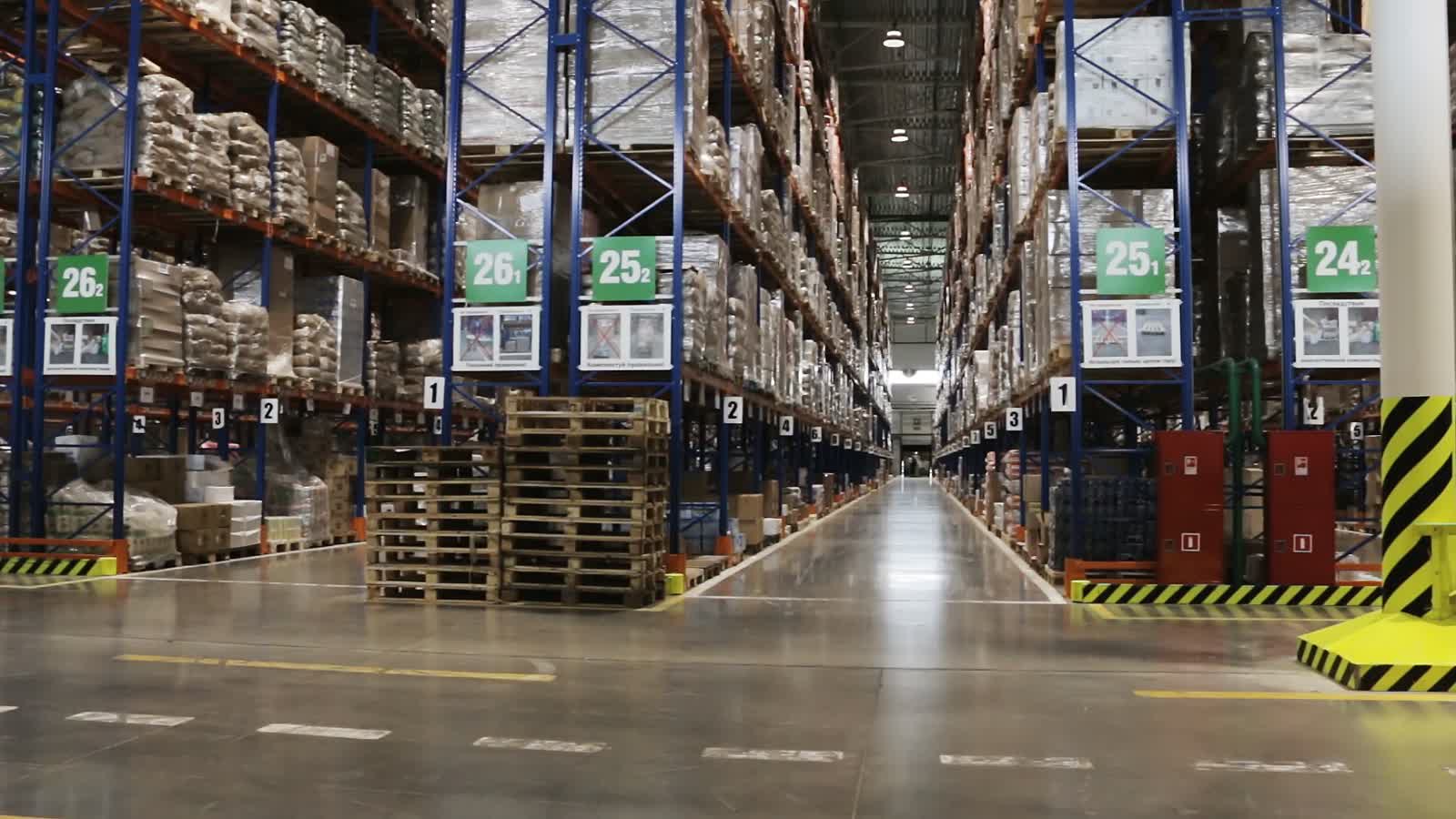
Cold Storage Facility Cleaning
Sub-40F expertise. Food-safe results.
Condensation builds on floor surfaces and door seals. Ice accumulates in blast freeze zones. Standard cleaning crews and chemistry are not built for those conditions. Millennium operates in refrigerated and freezer environments with protocols matched to your temperature range and your food-safety requirements.
What we handle in cold storage and freezer facilities
Cold environments require different protocols, different chemistry, and different crew preparation than ambient-temperature spaces.
Sub-40F Floor and Surface Cleaning
Cold and freezer environments demand chemistry that remains effective at low temperatures and equipment that handles condensation buildup. Our crews work in full cold-environment PPE with protocols matched to your temperature zones.
Condensation and Ice Management
Condensation on floor surfaces creates slip hazards in refrigerated spaces. Ice accumulation in blast freeze zones blocks drain function and damages floor coatings. We address both on a scheduled basis before they become safety or compliance issues.
Door Seal and Strip Curtain Cleaning
Door seals and strip curtains in cold storage collect debris and mold faster than ambient-temperature surfaces. We clean and inspect them on each service cycle so they maintain their thermal seal and pass food-safety walkthroughs.
Drain and Drip Pan Service
Floor drains and drip pans in cold storage are the first place auditors check. We clean and document drain and drip pan service on every visit so your records show a consistent maintenance history.
Food-Safe, USDA-Authorized Chemistries
All chemistry used in food-adjacent cold storage environments is food-safe and USDA-authorized for use in those settings. We do not use standard commercial cleaning products where food-contact surfaces are present.
GPS-Verified Documentation
Every cold storage service is documented with GPS-verified shift records. If your facility operates under a food-safety management system, your cleaning logs are audit-ready without additional administrative work.
Why cold storage operators choose Millennium
Crews Trained for Cold Environments
Working in 35F coolers and sub-zero freezer zones requires specific PPE, physical preparation, and rotation protocols. Our crews are trained for those conditions before they enter your facility.
W-2 Employees, Not Subcontractors
Every person on your site is a direct W-2 employee of Millennium. Cold storage facilities cannot afford inconsistent crews who were not briefed on your food-safety requirements.
Audit-Ready Documentation
GPS-verified shift records, chemistry logs, and zone-by-zone completion documentation are available on your client dashboard. If a third-party audit requests cleaning records, you have them.
Supervisor on Every Shift
A named Millennium supervisor is accountable for every service. Not a crew that self-manages, and not a corporate dispatch line. A person you can reach when something needs attention.
Cold Storage Facility Cleaning: FAQ
Common questions from operations and food-safety teams.
Several things change at low temperatures. Standard cleaning chemistry loses effectiveness below certain temperature thresholds. Condensation on floor surfaces creates slip hazards that do not exist in ambient spaces. Crews need appropriate PPE and rotation schedules to work safely in blast freeze zones. Equipment must be rated for those conditions. We build protocols specific to your temperature range rather than applying a standard warehouse program.
All chemistry used near food-contact surfaces in cold storage is food-safe and USDA-authorized for use in those settings. We do not use standard commercial degreasers or multi-surface products where that authorization is required. Chemistry selection is documented and available for your records.
Ice accumulation in blast freeze areas is addressed on a scheduled basis before it blocks drain function or damages floor surfaces. The service cadence depends on your facility throughput and temperature cycling. We build that into the scope during the initial facility walk.
Door seals and strip curtains are cleaned and inspected on each service cycle. They collect debris and moisture faster than ambient surfaces and are common points of failure on food-safety walkthroughs. Regular maintenance keeps them functional as thermal barriers and compliant with food-safety requirements.
Yes. GPS-verified shift records, zone-by-zone completion logs, and chemistry documentation are available on your client dashboard at any time. If your facility operates under a food-safety management system that requires cleaning records at specific intervals, we can match that documentation format.
We service both. Refrigerated coolers in the 34F to 40F range and deep freeze environments below 0F require different crew preparation and equipment. We confirm your temperature zones during the initial facility walk and build protocols accordingly.
Cold storage cleaning that holds up to audits.
Get a free facility assessment. We walk your temperature zones, confirm chemistry requirements, and build a program matched to your environment.