Manufacturing Plant Cleaning:
A Buyer's Guide
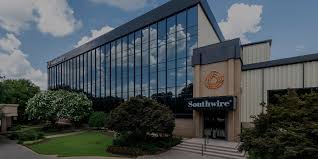
A manufacturing plant cleaning contract is a scope and accountability document first and a price second. Your plant owns its hazards, and the contractor owns its people, methods and records. Millennium Facility Services, based in Alpharetta and in business since 1990, serves 27+ Southwire facilities, and a senior member of our operations team walks your plant before we write any scope.
What should a manufacturing plant cleaning contract cover?
It should say what is cleaned, how often, on which shift, to whose standard and how completion is proven. It should also say who owns the hazards, the lockout program, the chemical list and the audit record. A bid that is only a monthly number tells you none of that.
Plant cleaning splits into two kinds of work. The recurring program runs every shift: see manufacturing cleaning services for Georgia plants and manufacturing cleaning in Atlanta for metro Atlanta. Project work such as shutdowns, restoration and high dusting is covered under industrial cleaning services in Atlanta.
Who is responsible for what: the plant or the cleaning contractor?
This is an awareness-level summary. Your EHS lead and counsel should confirm each point against current regulation text and your own contracts.
| Topic | The plant owns | The cleaning contractor owns |
|---|---|---|
| Walking-working surfaces, 29 CFR 1910.22 | Fixing structural and drainage defects, setting the housekeeping standard and controlling the processes that create spills | Cleaning floors and passageways within the agreed scope and reporting hazards it finds but cannot fix |
| Hazard communication, 29 CFR 1910.1200 | Telling contractors about hazards in the plant and keeping safety data sheets for the materials it brings in | Training its own people, labeling its containers and keeping safety data sheets for the chemicals it brings |
| Lockout and tagout, 29 CFR 1910.147 | The energy control program, who is authorized and when cleaning needs lockout | Staying out of guarded and locked-out areas and never removing plant locks |
| Combustible dust | The dust hazard analysis, the equipment and the rules on what may be cleaned and how. NFPA 660, which consolidated NFPA 652, is the standard to be aware of, and OSHA has no single general combustible dust standard | Following the written dust procedure, not using unapproved methods such as compressed air, and reporting accumulation |
| Contractor prequalification | Setting requirements (for example Avetta or ISNetworld) and reviewing records | Supplying truthful records and saying plainly what it cannot document |
| Chemicals and PPE | Approving products and setting PPE by zone | Choosing products that fit your rules, and supplying EPA-registered disinfectants applied to the label |
| Proof of work | Reviewing reports and running your own audits | Providing a timestamped, photographed record of what was done |
What should you ask a plant cleaning vendor?
These questions separate a vendor that has run plants from one that has not.
Ask about the work
- Who walks my plant before you price it, and what do they look at?
- Do you self-perform this work or subcontract it, and for which zones?
- Who supervises my shifts, and who covers when someone does not show?
- What does a completed visit mean, and how is it recorded?
- How do you decide frequency for production areas, restrooms and break rooms?
Ask about safety and records
- What does your crew complete before their first shift in my plant?
- Which areas do you stay out of, and who decides?
- Can I see your product list and safety data sheets before you start?
- Which prequalification platform do you use, and can you give me your TRIR and EMR in writing?
- Can I see a sample visit record? (You can click through a sample account on See It Work.)
How do you compare plant cleaning bids?
Put every bid on the same written scope: the same zones, shifts, frequencies, hazard areas, reporting and supervision. A bid that is far lower usually has less of one of those. A bid written without a walkthrough is a guess, and a single per-square-foot figure for everything from offices to dock pits tells you nothing about the work.
Frequency should follow use and risk, not the calendar. A restroom that serves hundreds of people a shift needs far more than one that serves two, and a good quality system often finds over-cleaning in low-risk areas and under-cleaning where it matters. Ask each vendor to show their reasoning, not just their price.
What does OSHA housekeeping require in a manufacturing plant?
OSHA's walking-working surfaces rule, 29 CFR 1910.22, requires workplaces, passageways and walking-working surfaces to be kept clean, orderly and sanitary, and floors to be kept clean and, as far as the work allows, dry. Aisles, exits and marked lanes have to stay clear. The housekeeping duty stays with the plant even when a contractor does the work.
We follow OSHA-compliant practices, and we do not call ourselves OSHA certified, because OSHA does not certify contractors. The cleaning record shows what was done and when. Your EHS team owns the standard.
How should contractors work around lockout and combustible dust?
A cleaning crew should not service, clear or clean inside machinery, and should stay out of any area under lockout unless your program authorizes and trains it. We stay out of lockout zones and we do not remove plant locks.
Combustible dust is a hazard your analysis governs. We do routine surface and floor housekeeping and follow your written procedure where dust is present. Where dust control goes beyond routine work, it is scoped as specialty work and your EHS lead owns the method. Be wary of any vendor that says it is dust compliant without asking for your procedure.
What are the red flags in a plant cleaning vendor?
| Red flag | Why it matters |
|---|---|
| A quote before anyone walks the plant | The price is a guess, and the scope will change after you sign |
| One flat rate for every zone | Production floors, restrooms and offices take different time and equipment |
| Proof that is only a signature or a clipboard | You cannot tell what was cleaned or when |
| Says yes to everything, including confined space or hazmat work | A vendor with no boundary has not thought about your hazards |
| Cannot say who supervises third shift | Nobody is accountable when the building is empty of management |
| Prequalification status that is promised but not documented | Ask for the document, and treat a late answer as an answer |
What does the visit record show?
Every visit leaves a record on your dashboard, so you can check last night's work against the written scope instead of taking our word for it.
| On your dashboard | What it tells you |
|---|---|
| Arrival and departure times | When the crew was on site and how long they stayed, on every visit |
| QR check-in by room or zone | Which rooms and zones were visited, not just that someone was in the building |
| Photographs of finished work | What the area looked like when the crew finished |
| One view across sites | Each site sees its own record, and a multi-site buyer sees all of them side by side |
A check-in proves a visit happened and photographs show the work. Your own inspection is how you confirm it meets your standard, and we welcome it. To click through a sample account, see See It Work.
What does a multi-plant program look like?
Manufacturing plant cleaning: buyer questions
What plant managers, EHS leads and procurement teams ask before they hire a cleaning contractor.
Production floor housekeeping, shipping and receiving, restrooms and locker rooms, break rooms, offices and trash and debris, set by zone after a walkthrough. Project work such as shutdowns, restoration and high dusting is scoped separately.
By written scope: zones, frequencies, shifts and the labor behind them. Most recurring programs are a fixed monthly price. A price given before the vendor walks your plant is a guess, so we do not publish a per-square-foot figure.
Only within what your program authorizes and trains them for. By default, our crews stay out of locked-out and guarded areas and do not remove plant locks.
The contractor supplies them for the chemicals it brings, and your plant supplies them for your process materials. Our practice is to give your EHS team our product list with a safety data sheet for each product before we start.
Only under your written dust procedures. Routine surface and floor housekeeping is one thing. Dust control beyond that is specialty work that your hazard analysis governs, and we follow your procedure and do not use methods it forbids.
No contractor is, because OSHA does not certify contractors. Ask a vendor which OSHA-compliant practices it follows and what its crews complete before working in your plant.
Tell us which platform your plant uses and send the requirements before the walkthrough. We will say plainly what we can document and what we cannot.
Every visit is GPS-verified and timestamped, rooms are checked in by QR code and finished work is photographed. It is on a client dashboard, and our service completion rate is 99.7%. Your team can audit it against the written scope.
It should. A senior member of our operations team walks your plant with your plant manager and EHS lead before we write the scope.
We clean first, then disinfect where the risk calls for it, using EPA-registered disinfectants applied to the label. We do not disinfect everything by default, because disinfecting only works on a clean surface.
Yes. We set one standard and one scorecard, then adapt the scope to each plant's layout and hazards. Southwire is the example, with 27+ facilities, and corporate sees every site in one dashboard.
Request a walkthrough or call (800) 956-8745. Your account contact is the day-to-day call, and you can reach the owner directly.
Each plant has a named site lead who answers to the plant manager. If someone does not show, a supervisor covers the gap, and because every visit is logged, a missed area shows up in the record the same night. Your account contact is the day-to-day call.
We carry general liability and workers' compensation coverage, and we send a certificate of insurance on request, with your organization named as additional insured if your contract requires it.
We are an IICRC certified firm, we use EPA-registered disinfectants, and we have been in business since 1990. We are minority and woman owned, though not certified as such. If your supplier-diversity program requires certification, we say so up front.
Crews complete your site safety orientation and wear the PPE your plant requires for each zone. Send us your requirements before the walkthrough, and we tell you in writing what we can document and what we cannot.
Related services and resources
- Manufacturing Cleaning Services
- Manufacturing Cleaning Atlanta
- Industrial Cleaning Services Atlanta
- Food-Grade Manufacturing Cleaning
- Distribution Center Cleaning
- Warehouse Cleaning Services
- Southwire Case Study
- Manufacturing Plant Cleaning Checklist
- Choosing a Manufacturing Janitorial Vendor
- Manufacturing Cleaning, OSHA and Hazmat
- Avetta Compliance for Facility Services
- Outsource or In-House Manufacturing Cleaning
Tell us about your plant
Send us the plant, the shifts and the requirements your EHS team needs documented. We will walk it with you and write the scope.