Manufacturing Cleaning Services
for Plants in Georgia
Millennium Facility Services provides recurring janitorial for manufacturing plants in Georgia and the Southeast. We serve 27+ Southwire facilities, from production floors and labs to distribution centers and corporate offices. A senior member of our operations team walks your plant before we write the scope, and GPS clock-in and clock-out give you time-stamped records.
What does recurring plant janitorial cover?
This is the daily and nightly housekeeping that keeps a plant safe and presentable between production runs: aisles and walkways, dock areas, restrooms and locker rooms, break rooms, offices, and the trash and debris that pile up over a shift. We work third shift, weekends and around your production schedule, under a site lead who knows your plant.
It is a different job from deep cleaning. Shutdown cleaning, high dusting and equipment degreasing are project work with their own crews and equipment. If that is what you need, see industrial cleaning services in Atlanta. This page covers the program that runs every night so the deep clean has less to do.
How do you meet OSHA housekeeping requirements in a plant?
OSHA's walking-working surfaces rule, 29 CFR 1910.22, requires workplaces, passageways and walking-working surfaces to be kept clean, orderly and sanitary, and floors to be kept clean and, as far as the work allows, dry. Our recurring work supports that. Spills, debris and wet floors are slip and trip hazards, and we treat them that way.
We follow OSHA-compliant practices. We do not call ourselves OSHA certified, because OSHA does not certify contractors. Your EHS team owns your safety program and your housekeeping standard. We clean to it, and we keep a record that shows what was done and when.
What does a plant cleaning scope look like by zone?
These are typical starting points. We set the real scope at the plant walkthrough, with your plant manager and EHS lead, against your production schedule and your hazards.
| Plant zone | What we do | Typical frequency | Typical shift |
|---|---|---|---|
| Production floor | Sweep and scrub aisles and walkways, remove debris and trash, keep egress and marked lanes clear, pick up spills in agreed areas | Nightly or as scheduled | Third, or between production runs |
| Shipping and receiving dock | Sweep, remove packaging scrap and debris, clean dock offices and doors | Daily | Third, or off-peak freight windows |
| Restrooms and locker rooms | Full clean and disinfect with EPA-registered products, restock, floors, fixtures, drains | Daily, with a mid-shift check if the plant needs it | All shifts as needed |
| Break rooms and cafeterias | Tables, counters, appliances, floors, trash | Daily | First and third |
| Offices and corporate areas | Trash, vacuum, glass, kitchenettes, conference rooms. Desks cleared only on request | Daily or several times a week | After hours |
| Labs and QC areas | Floors, trash and surfaces under the lab's own rules for what we may touch | Per lab protocol | Off-peak, set with the lab lead |
| Tool crib and maintenance areas | Floors and trash around, not inside, your tooling and storage. We do not move parts or tools | Weekly or as scheduled | Set with the crib attendant |
What does contractor safety look like on your floor?
A plant is not an office with bigger floors. Forklift traffic, wet processes, lockout zones and chemical rules change how the work is done.
How we work
- Crews complete your site safety orientation before they work in the plant.
- We stay out of any area under lockout. Our crews do not service, clear or clean inside machinery.
- Crews wear the PPE your plant requires for each zone. We confirm it at the walkthrough instead of assuming.
- Before we start, your EHS team gets a list of the products we plan to use, with a safety data sheet for each. Nothing goes on your floor that is not on the list.
- We use EPA-registered disinfectants, applied to the label.
What stays outside this program
- Hot work.
- Permit-required confined spaces.
- Cleaning inside equipment that has not been made safe by your authorized employees.
- Combustible dust control beyond routine surface and floor housekeeping. Where dust is a hazard, we follow your written procedure and it is scoped as specialty work.
- Moving your tooling, bins or production materials. Your team decides what belongs where.
How does one cleaning program cover many plants?
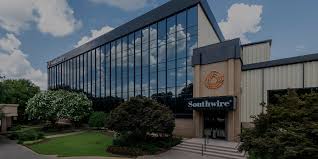
A corporate buyer wants one standard, and each plant manager wants a vendor who understands that plant. We run both. Southwire is the example. Each of its facilities has its own layout, hazards and people, and the visits are timestamped.
We set up every plant on the same scorecard, so corporate can compare sites without translating between formats. Each plant has a named site lead who answers to the plant manager. Chemicals and safety data sheets follow one approved list, and exceptions are written down. The live dashboard shows QR room check-ins, photos and visit scores: plant managers see their site, and corporate sees all of them.
To see what a scored visit and the multi-site view look like, click through a sample account on See It Work, or read how the system works on our MillenniumOS page.
How do we add a plant to a multi-plant program?
We do not promise a fixed start date, because three things set it: your EHS team's review of our product list, site orientation for the crew, and badge and gate access. We name an owner for each in writing at the walkthrough.
- Step 1
Walk the plant
We walk the building, the zones and the hazards before the scope is written, with your plant manager and EHS lead.
- Step 2
Write the scope against your standard
We write the plant's scope, reconcile it with your corporate standard, and send your EHS team the product list and safety data sheets.
- Step 3
Orient the crew and agree on access
Crews complete your site orientation. Badges, gates, keys and the shift contact are settled in writing before the first night.
- Step 4
Go live on the scorecard
The plant runs on the same scorecard as your other sites from the first visit, and we review the early scores with you.
What matters on third shift?
Most plant cleaning happens when management is not there, so supervision decides whether third shift works. GPS clock-in and clock-out give you time-stamped records, rooms are checked in by QR code and the crew photographs finished work. You see the night in the record instead of hearing about it at the morning meeting.
Access comes next: badges, gate procedures, key control and who the crew calls on your side. Then coordination with production. We agree on which lines are running, which areas are down and which are lockout zones we stay out of, and our site lead talks to your shift supervisor at handoff. Production has priority, and we work around it.
Do you clean automotive supplier plants?
Automotive suppliers answer to customer audits, and cleanliness expectations flow down to the janitorial vendor. IATF 16949 certification belongs to your plant, not to your cleaning contractor, and we do not claim it. What we do is support your 5S and housekeeping audits: we clean to your checklist and your zone map, keep a timestamped record of what was done, and give your team photo documentation to show an auditor.
We build the program to the requirements your customer hands you. Tell us what your next audit looks at and we will scope to it.
Which manufacturers do we clean for?
Manufacturing cleaning services: common questions
What plant managers, EHS leads and corporate buyers ask us.
Millennium Facility Services provides recurring plant janitorial in Georgia and the Southeast. Our manufacturing work includes 27+ Southwire facilities, covering production floors, labs, distribution and corporate offices, and we use GPS clock-in and clock-out with time-stamped records.
Crews complete your site safety orientation before they work in the plant. We follow your rules for PPE, access and lockout, stay out of any area under lockout, and use OSHA-compliant practices. Tell us your requirements at the walkthrough and we build the scope around them.
Tell us which prequalification platform your plant uses. Send us the requirements before the walkthrough and we will tell you plainly what we can document and what we cannot.
No, and no cleaning contractor is, because OSHA does not certify contractors. We follow OSHA-compliant practices, including housekeeping under 29 CFR 1910.22, and we clean to the housekeeping standard your EHS team sets.
We carry general liability and workers' compensation coverage, and we send a certificate of insurance on request, with your organization named as additional insured if your contract requires it.
A supervisor covers the gap. Time-stamped records mean a missed area shows up in the record, and your site contact hears from us instead of finding it on a walk-through. Your account contact is the person to call, and you can reach the owner directly if it is not resolved.
EPA-registered disinfectants and standard floor and restroom products. Your EHS team gets a product list with a safety data sheet for each one before we start, and nothing goes on your floor that is not on the list.
Before go-live we agree on which areas are active, which are down and which are off limits. After that our site lead talks to your shift supervisor at handoff, and we move around production instead of asking production to move around us.
Yes. We set one standard and one scorecard, then adapt the scope to each plant's layout and hazards. Each plant has a named site lead, chemicals and safety data sheets follow one approved list, and corporate sees every site in one dashboard.
Yes. GPS clock-in and clock-out give you time-stamped records, crews check in to rooms by QR code, and photos document the work. That gives you a record of what was cleaned and when, which is what an auditor asks for. Your plant owns the audit. We keep the cleaning record ready.
We walk the plant first and write the scope. Crews are oriented to your rules, access is settled in writing, and go-live is scheduled around your production windows. We recommend keeping your current service running until the new team is trained, so the plant is never uncovered.
Most recurring programs are a fixed monthly price built from a written scope: zones, frequencies, shifts and the labor behind them. Extra work, such as a one-time project, is priced separately. We quote after the walkthrough, because a price set before we see the plant is a guess.
Related services and resources
- Industrial Cleaning Services Atlanta
- Manufacturing Cleaning Atlanta
- Manufacturing Industry Overview
- Food-Grade Manufacturing Cleaning
- Distribution Center Cleaning
- Warehouse Cleaning Services Atlanta
- Southwire Case Study
- Manufacturing Plant Cleaning Checklist
- Third Shift Manufacturing Cleaning
- Choosing a Manufacturing Janitorial Vendor
- Avetta Compliance for Facility Services
- MillenniumOS Client Dashboard
Tell us about your plant
Send us the plant, the shifts and what is not working today. We will walk it with you and write the scope.